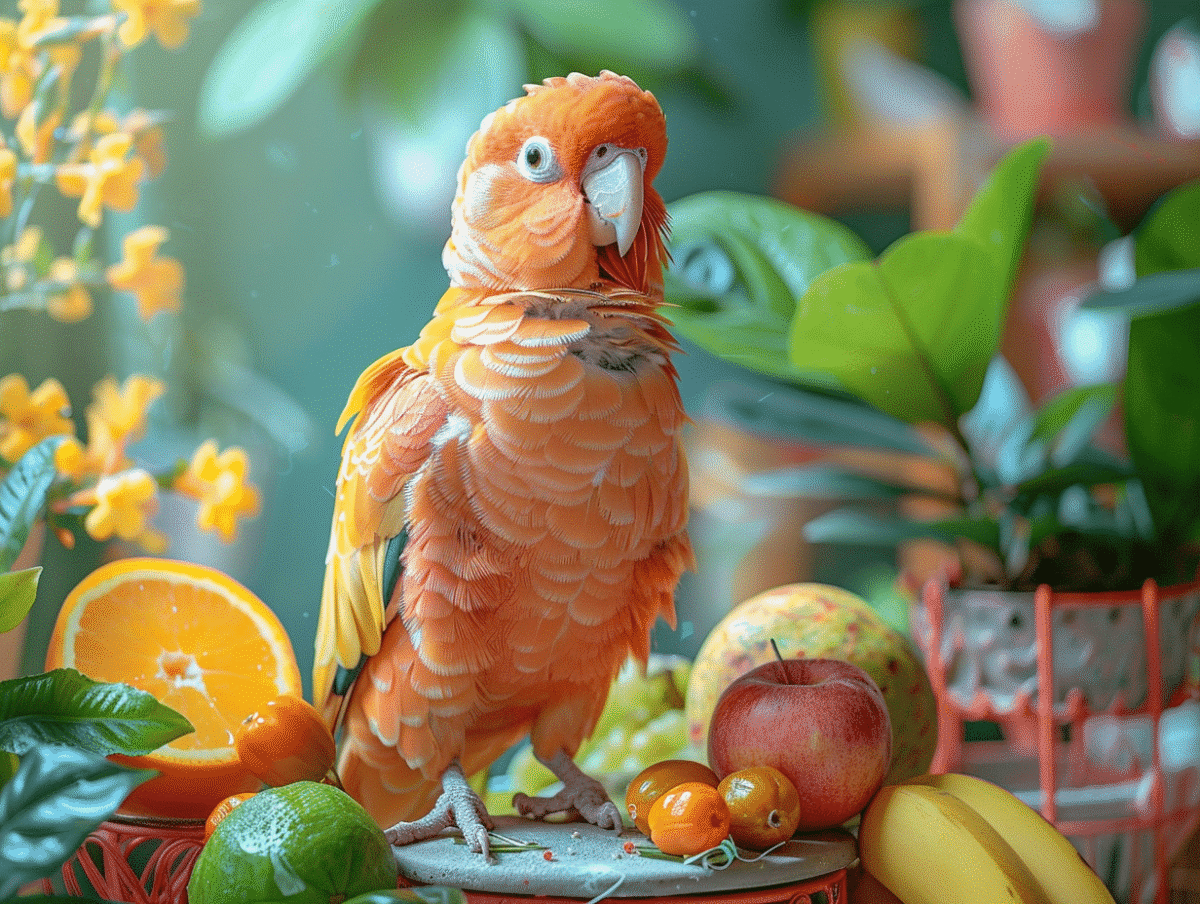
Parrots are fascinating companions, known for their longevity and intelligence. For owners looking to optimize the lifespan and health of these colorful birds, it is important to focus on proper care. This includes a balanced diet rich in fruits, vegetables, and specific seeds, as well as regular visits to an avian veterinarian. Environmental enrichment is also fundamental: varied perches, toys to stimulate their minds, and frequent social interactions. It is also essential to consider the bird’s exercise needs and ensure the quality of the air and the safety of its habitat.
Creating a Suitable Environment for Your Parrot’s Health and Well-Being
Designing a Safe and Stimulating Habitat is crucial for the lifespan of the parrot. The cage should be spacious enough to allow the bird to spread its wings and move freely. Avoid toxic materials and ensure that the bars are spaced to prevent any risk of escape or injury. A well-thought-out parrot environment reduces stress and destructive behaviors, contributing to better physical and mental health.
The mental well-being of parrots also relies on an enriched and varied environment. Consider incorporating suitable toys that encourage the bird to think and engage in physical activity, such as puzzles and chew toys. A variety of perches, offering different textures and diameters, helps stimulate their feet and prevent boredom. Mental stimulation gained through interactive games or learning sessions strengthens the bond with the owner and maintains good cognitive health.
The quality of the air and the brightness of the environment are essential parameters for the health of parrots. Ensure that the ambient air is free from smoke, chemical vapors, and fine dust. Sufficient exposure to natural light, or adequate artificial light if necessary, is needed to regulate the bird’s biological cycles and promote vitamin D synthesis. Paying specific attention to these details can greatly influence the longevity and well-being of these companion birds with such charismatic personalities.
Maintaining a Routine of Preventive Care and Social Interactions
Proper care practices are a central pillar for the longevity of parrots. Follow a strict schedule of veterinary visits for regular health check-ups. Early detection of potential health issues is an asset for effectively treating ailments that could shorten the lives of these birds. Parrot owners must be vigilant and responsive to any behavioral or physical changes, possible signs of distress or illness.
The health of parrots is also closely linked to daily physical activity. Freedom of movement outside the cage, under supervision, promotes exercise and limits the risks of overweight and sedentary-related diseases. Encourage your parrot to fly in a secure space and to play with items that challenge its dexterity and agility.
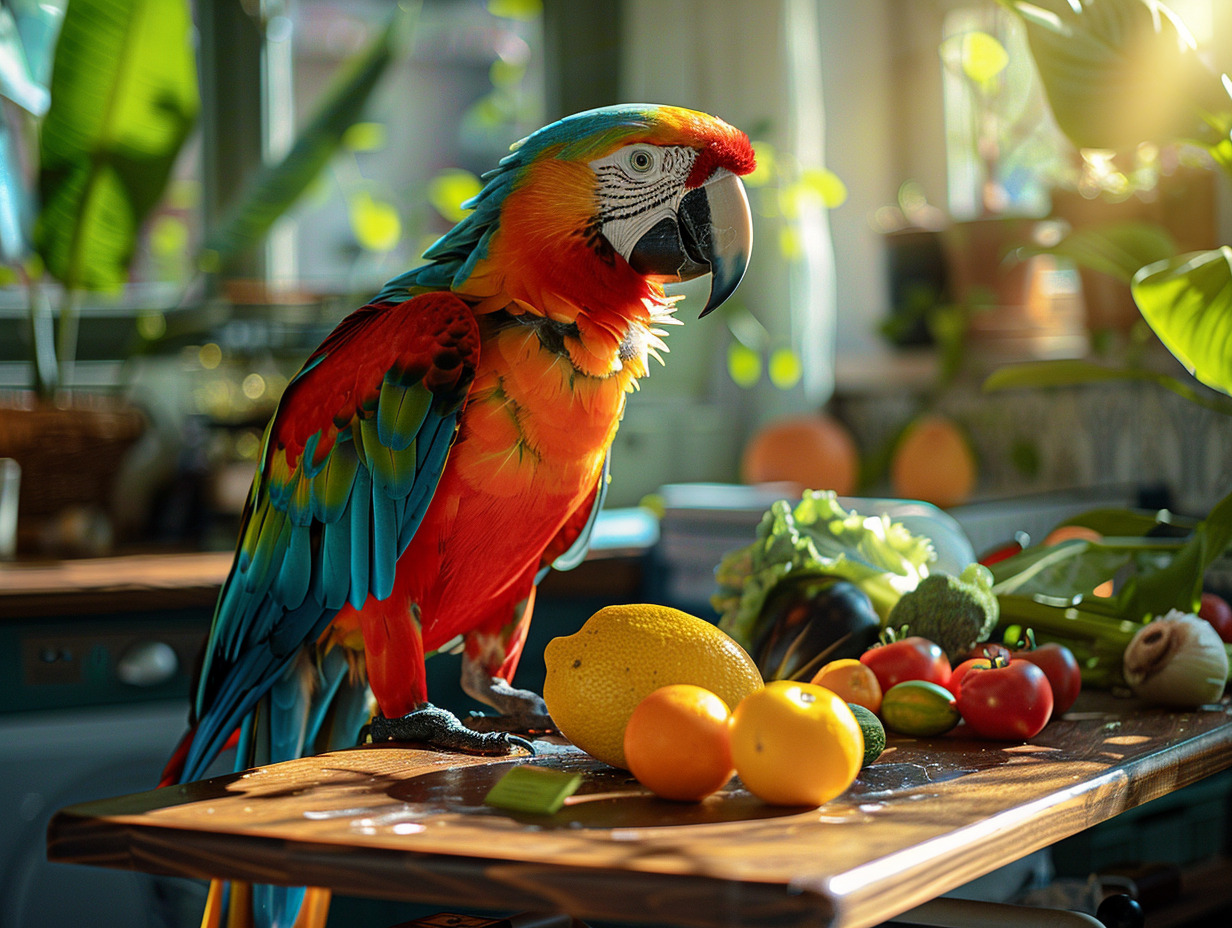
As for parrot nutrition, it should be balanced and varied to meet their specific dietary needs. Fresh fruits, vegetables, quality seeds, and nuts, complemented by specially formulated foods for parrots, make up an appropriate diet. Regular hydration completes this picture, and do not neglect the cleanliness and freshness of the water provided.
Social interaction is vital for these social and intelligent creatures. Regular communication with the parrot, play and learning sessions, strengthen the emotional bond and intellectually stimulate the animal. Loneliness or boredom can lead to behavioral issues, so integrate your feathered companion into family life, offering your presence and attention. This ongoing exchange nourishes its mental and emotional well-being, essential components for a fulfilling and long life.