
A technical inspection of less than six months is essential for any sale of a motorhome older than four years, even when the buyer is an informed individual. Private transactions sometimes expose parties to hidden defects, despite the handover of documents and the vehicle.
The slightest error in the transfer certificate or the absence of a technical inspection certificate can cancel the transaction or lead to ongoing disputes. A rigorous organization and precise knowledge of administrative procedures ensure a sale without unpleasant surprises.
Understanding the key steps to successfully sell your motorhome privately
Selling a recreational vehicle without going through a professional means accepting the roles of seller, communicator, and administrative manager. To avoid unpleasant surprises, start by conducting a thorough assessment of the motorhome: check each piece of equipment, identify minor defects, and be ready to answer questions from informed buyers. If the vehicle is over four years old, ensure a recent technical inspection: less than six months, no more.
Gather all the necessary documents for the sale: registration certificate, non-pledge certificate, maintenance log, repair invoices. This complete file reassures and demonstrates your seriousness.
Pay attention to presentation. Clean the interior and exterior, then take recent and clear photos to illustrate the ad. A detailed description, true to reality, creates a climate of trust. Avoid downplaying defects; highlight the strengths.
Price evaluation deserves special attention. Rely on official valuations, compare with similar ads, and consider the French market. A realistic price attracts more buyers and limits endless negotiations.
On the day of the sale, sign the transfer certificate in three copies with the buyer. Hand over each document, including the non-pledge certificate and the technical inspection. To sell your motorhome privately with confidence, it is best to strictly adhere to each administrative step. Preparation and transparency remain the best defense against disputes. This lays the foundation for a solid transaction.
What traps to avoid and how to secure the transaction?
Meeting a motivated buyer is not enough. When selling your motorhome privately, caution is essential. Some traps are well-known but continue to ensnare victims. Fake payments, for example, still slip into many transactions. A bank check, even seemingly flawless, can be counterfeit. For more security, prefer handing over funds at the buyer’s bank, in the presence of an advisor, or request an instant verified transfer on-site before handing over the keys.
Scams are imaginative: overly eager purchase promises, dubious deposits, unusual requests… Refuse any unjustified cash advances and never disclose confidential information lightly. Before signing, always ask for an ID and verify that the name matches the future holder of the registration certificate.
The non-pledge certificate, or administrative situation certificate, is an essential safeguard. It proves that the vehicle is neither pledged, stolen, nor subject to opposition. Provide it to the buyer; it is your proof of good faith. Describe the vehicle’s condition honestly; any deliberate omission exposes you to claims for hidden defects. Attach the technical inspection report and keep a written record of all exchanges.
To help you secure the transaction, here are the points not to overlook:
- Verification of payment at the bank
- Handing over the non-pledge certificate
- Joint signing of the motorhome transfer certificate with ID
The second-hand market attracts various profiles, sometimes unreliable. Document each step, refuse dubious remote transactions. A secure payment, a transparent procedure, and clear communication form the best protection for successfully selling your motorhome.
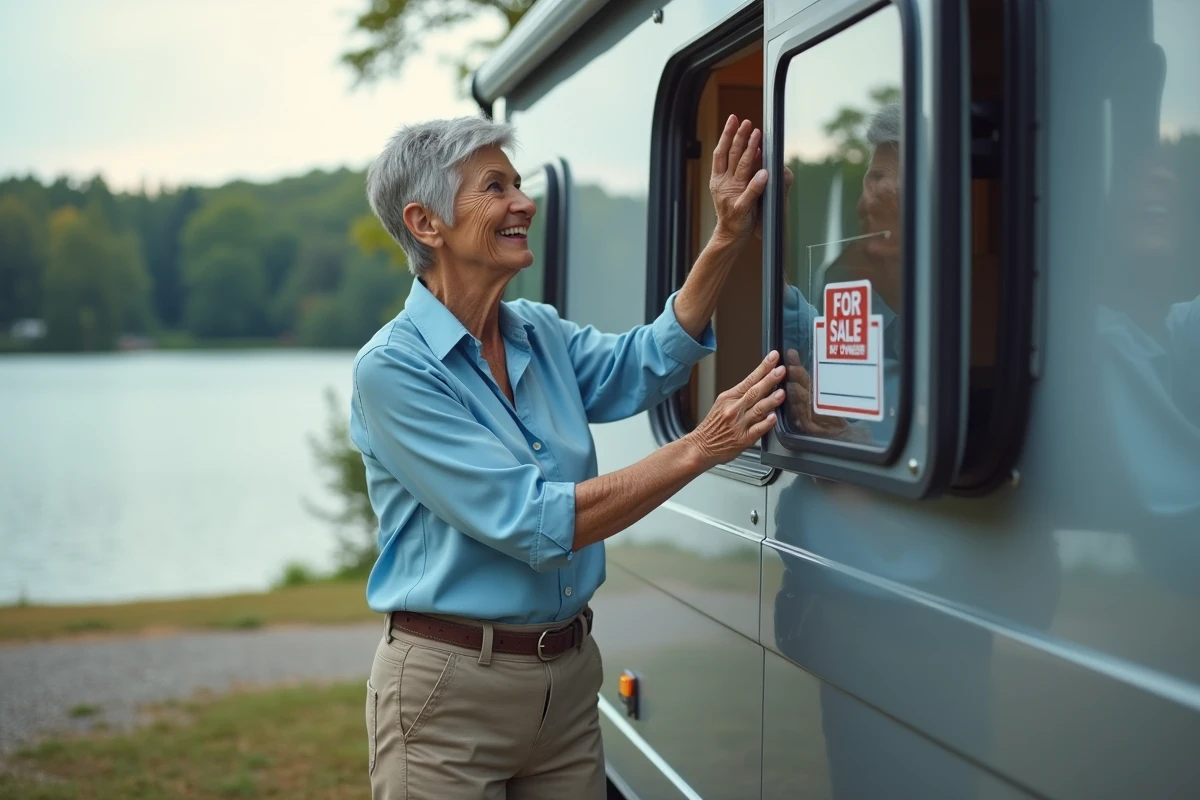
Practical tips to enhance your motorhome and conclude the sale smoothly
It all starts with appearance. A clean interior, refreshed textiles, functional equipment: every detail counts. The first impression is often what convinces a buyer to make the trip. Highlight the advantages of your used motorhome, whether it’s a good electrical autonomy, well-maintained mechanics, or clever storage solutions. For the ad photos, choose natural light, vary the angles, and present the vehicle without trying to hide reality.
Setting the right price
Price estimation relies on several factors: official valuation, mileage, overall condition, maintenance invoices, and added equipment. Always compare with similar ads to adjust your offer. A coherent price encourages contact and speeds up the sale.
Here are the documents and steps to anticipate to reassure the buyer:
- Preparation of the complete file: maintenance log, technical inspection report of less than 6 months, non-pledge certificate, transfer certificate.
- Possible offering of a mechanical warranty to add extra confidence to the transaction.
- Possibility of having an expert assessment done if there are doubts about the vehicle’s actual value.
Expect precise questions from visitors. It’s better to prepare a complete file, be transparent about the history and repairs. When signing the sales contract, carefully reread each mention and ensure that all necessary papers are handed over to the new owner. This attention to detail transforms the transaction into a smooth experience, characterized by mutual trust.
The motorhome changes hands, but leaves behind the memory of a well-organized journey. A successful sale is one that is remembered without regrets, ready to hit the road again.