
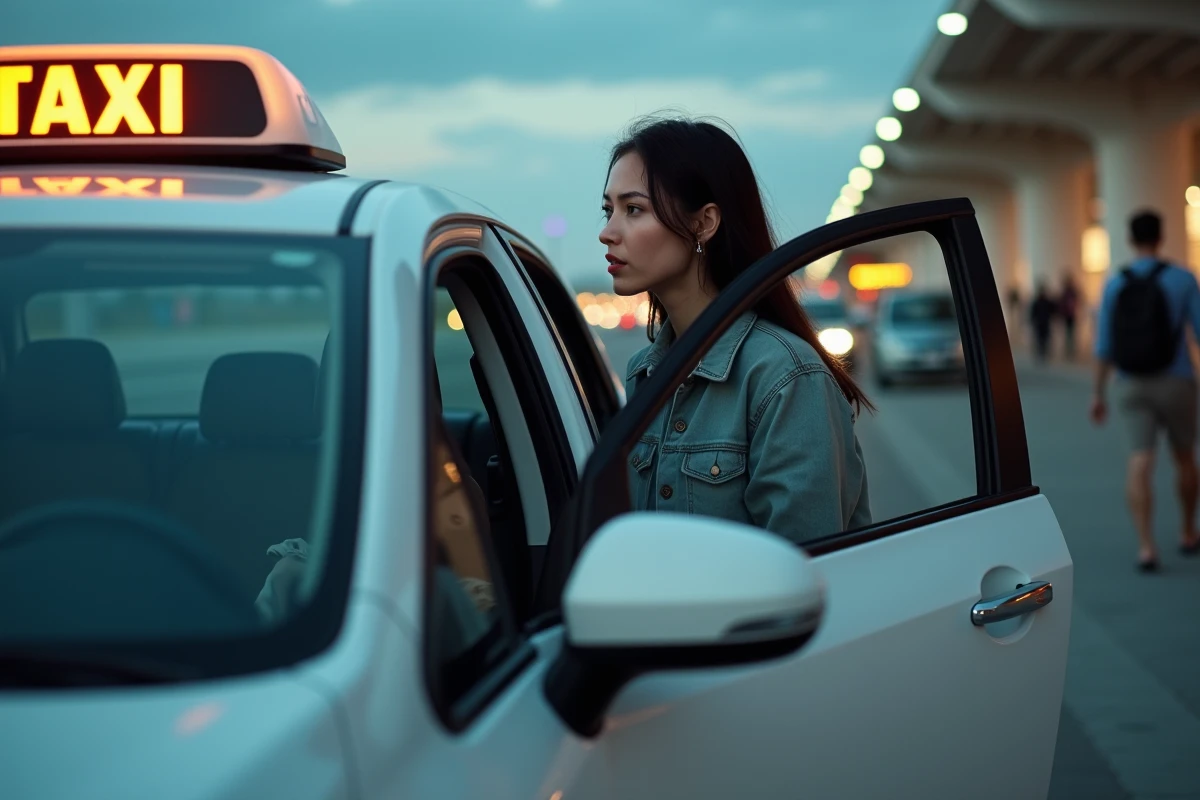
In New York, it’s impossible to escape these vehicles topped with lighted signs, true lookalikes of official taxis. The blur sets in, especially since some booking apps display unlicensed cars without a second thought. Doubt creeps in even on the street, at the exit of a terminal, or when a door opens.
The sign that legally sits atop the taxi has a very specific name: the “taxi dome light.” This marker, strictly regulated by the Taxi and Limousine Commission (TLC), is not just for show. It indicates that a taxi is allowed to pick up passengers. Its absence, or the presence of a dubious imitation, often reveals an illegal vehicle.
The light on top of New York taxis: an essential marker… but not infallible
This lighted sign on top of New York taxis is a true urban emblem. A signal of availability, it directs streams of passengers caught up in the city’s hustle and bustle every day. But behind this marking lies strict regulation: the famous taxi dome light distinguishes legal taxis from others at a glance and regulates the flow of vehicles authorized to pick up customers.
In New York, as in other major capitals, the use of the lighted sign on the roof is not left to chance. When lit, it indicates a taxi ready to take a passenger. When off, it shows that the vehicle is already occupied or on a break. Simple on paper, this code still requires sustained attention from users. Other cities, such as Paris, have opted for different color systems, like green or red, to inform about availability.
With the proliferation of recent cars in downtown, the updating of payment terminals, and the arrival of connected meters, it becomes strategic to clearly identify what the lighted sign on top of taxis is called. To delve deeper into the topic, the name of the lighted sign offers a detailed overview of the terminology and French specifics. But beware: even the most official of markers fades in the face of the ingenuity of fake taxis, which perfectly replicate regulatory equipment and blur the lines between legal service and parallel offerings.
How to recognize a real taxi in New York? The unmistakable signs (and those to watch out for)
In this city where the hustle never stops, the stamped taxi adheres to a series of visual and administrative codes. The lighted sign on the roof, called the taxi dome light, comes with several details that a keen eye will not miss. The yellow license plate, unique to official taxis, stands out. Inside, a meter and a payment terminal are present, ready to record the fare, whether in cash or by card.
To better spot genuine New York taxis, here are the main indicators to observe:
- The fare is clearly displayed on the meter as soon as the trip begins, with no surprises upon arrival.
- The driver displays their city-issued license, easily visible, with photo, name, and identification number.
- Payment terminals are always provided: an absence or refusal to accept card payment should raise a red flag.
At train stations and near airports, keep in mind that an official taxi does not solicit passersby. They wait their turn in the authorized line, without aggressive solicitation. If someone approaches you, promising an enticing fare without a meter, it is an illicit service. This kind of trap often targets travelers who are not familiar with local customs.
Before getting in, take the time to check: the driver, the condition of the vehicle, the cleanliness of the interior, the presence of the meter, the display of the taxi dome light, and the official license. This trio of checks ensures a level of comfort and safety in accordance with local regulations.
Avoiding fake taxis: practical tips for traveling safely and sharing good reflexes
In the city, the lighted sign on top of taxis reassures and guides. But it is not enough to guarantee authenticity. In the hustle of train stations, airports, or outside a hotel, opportunistic drivers take advantage of the noise to pass themselves off as licensed professionals.
To reduce risks, adopt a simple and effective method. Before getting on board, check for the presence of a meter and a payment terminal. These features are the hallmark of a serious and compliant service, whether in Paris, Lyon, or New York. Ask the driver about card payment: a refusal or evasive response should raise your suspicions. Also, ensure that the professional license is clearly displayed at the front of the vehicle.
Here are the best reflexes to adopt to secure your ride:
- Prefer booking via an official app or a phone call: these services select certified companies and trained drivers.
- Observe if the vehicle is recent and if the license plate is compliant: each city, each country has its own criteria.
- If any doubt remains, exit the vehicle before departing and report any anomalies to the relevant authorities.
The seriousness of transport companies, the ongoing training of drivers, the widespread use of online booking apps: all these factors contribute to safer rides in urban centers. Don’t hesitate to share these habits with your circle: in the face of fake taxis, shared vigilance makes a difference.
In the yellow light of a New York taxi, each ride becomes a small victory over confusion. Being attentive is already a way to travel more freely.