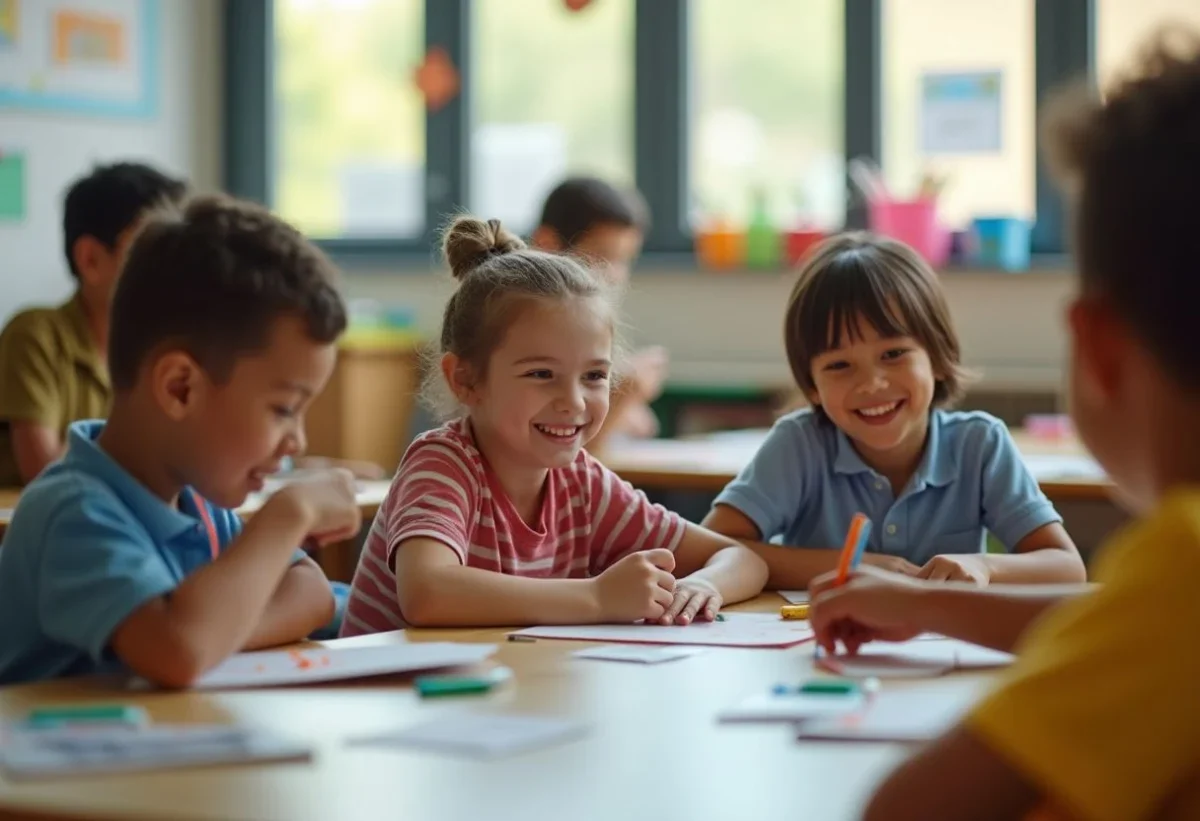
The CM1 class marks a significant step in children’s educational journey, a time when they begin to explore more complex concepts while consolidating the foundations acquired in previous years. These young minds, overflowing with energy and curiosity, find themselves at a crossroads, where each exercise and activity can define their relationship with learning for years to come. For educators and parents, it is essential to develop appropriate strategies that not only meet academic requirements but also cultivate a desire to learn in a fun and effective way.
Promoting Active Learning
Active learning is at the heart of modern education, encouraging students to fully engage in their own educational process.
Teachers can integrate educational games that stimulate student engagement. For example, role-playing games can be used to explain historical or literary concepts, or applied mathematics through everyday situations. Learning through play not only makes lessons more appealing but also helps to anchor knowledge in a lasting way.
Group discussions encourage students to share their ideas and listen to those of their peers. This can boost self-confidence and improve communication skills while providing a broader perspective on the subjects studied. Organizing debates on age-appropriate themes can be particularly enriching.
Effectively Integrating Technology
In the digital age, ignoring the impact of technology on education would be a mistake. The wise use of digital tools can transform the way students approach their learning.
- Educational apps are designed to make learning more interactive and engaging. Many apps available on tablets offer exercises tailored to the CM1 level in subjects such as mathematics, French, or science.
- Online resources, such as educational videos, allow students to visualize complex concepts in a simplified form. This visual approach can be particularly beneficial for learners who need to see to understand.
- Collaborative platforms enable students to work together on projects, even remotely. Teamwork encourages collaboration and project management skills, which are essential in the modern world.
Adapting Exercises to Each Student
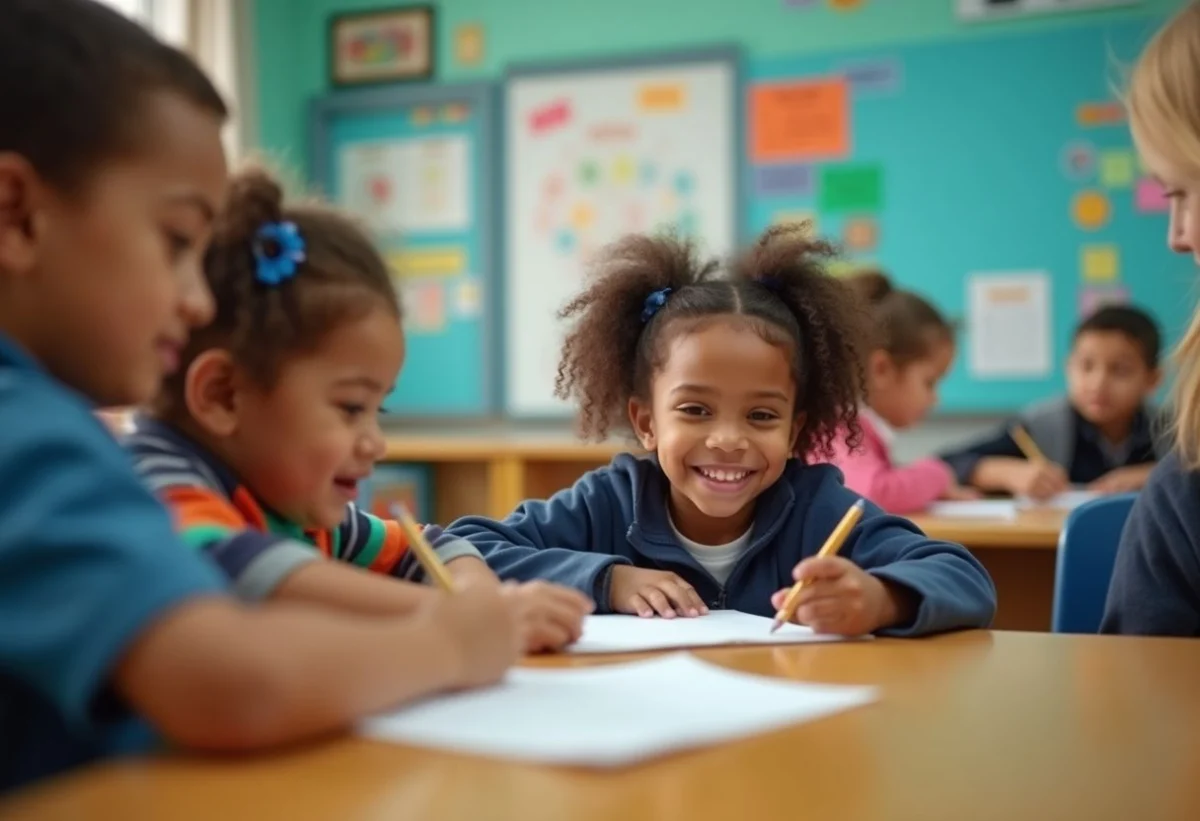
Every child is unique, with their own strengths, weaknesses, and learning preferences. Adapting exercises to each student is essential to maximize their potential.
Teachers can use a differentiated approach, offering a variety of activities and levels of difficulty to ensure that each student is engaged and challenged. For example, the same CM1 exercise could be personalized to provide additional support to those who need it or extra challenges for those who progress more quickly.
Regular assessments are also a valuable tool for understanding students’ progress and adjusting teaching methods accordingly. Assessments are not limited to tests but include classroom observations, projects, and hands-on activities.
Involving Parents in the Educational Process
Collaboration between school and home is a determining factor for students’ educational success. Involving parents in the educational process can reinforce learning and make it more meaningful for the child.
Parent-child workshops organized by the school allow parents to better understand the curriculum and the teaching methods used. These events can also provide parents with the opportunity to share their own educational experiences and ideas.
- Regular parent-teacher meetings are essential for discussing the child’s progress and ways to enhance their learning experience.
- Resources and advice for parents, such as newsletters or online platforms, can provide additional support at home. By providing ideas for educational activities to do as a family, parents can actively contribute to their child’s learning.
Thoughtful and diversified teaching in CM1 can make all the difference for young learners. By encouraging active learning, integrating technology, personalizing exercises, and involving parents, educators and families can create a stimulating and enriching environment.