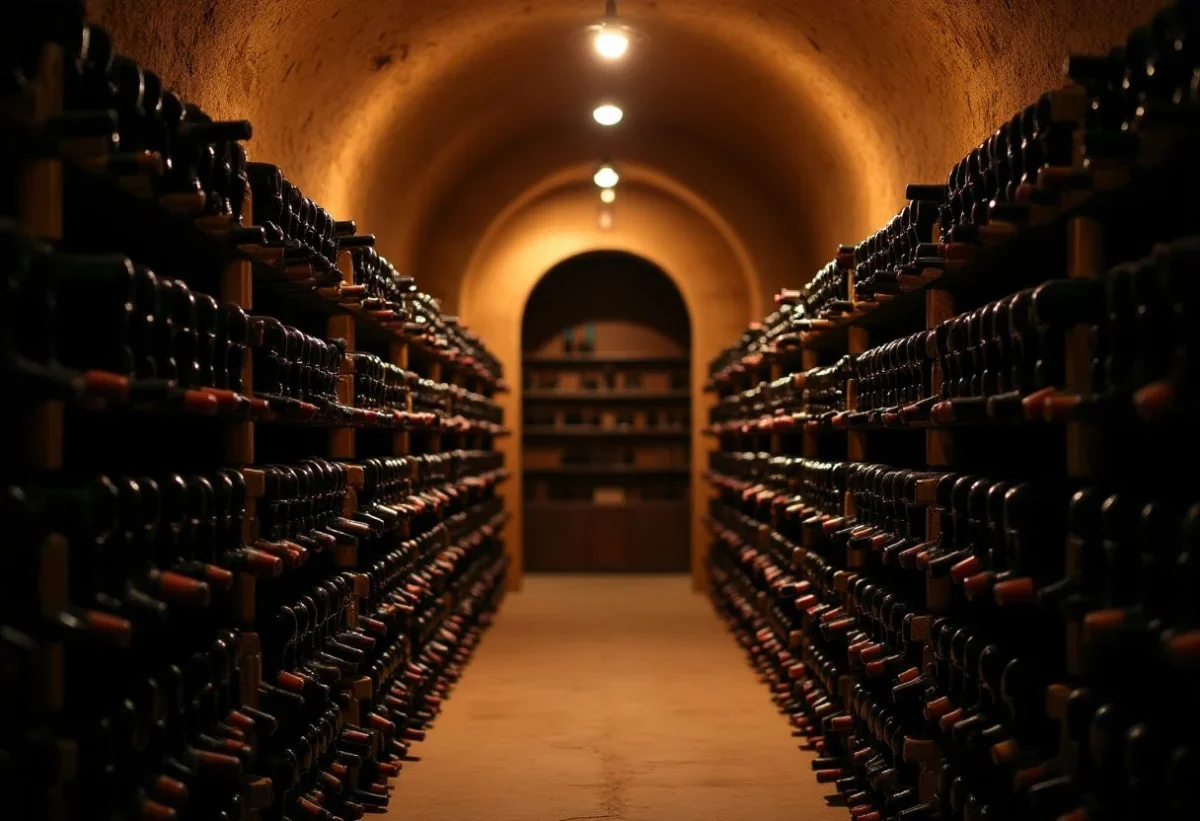
Wine lovers know well that a good wine requires more than just basic oenological knowledge. It needs a dedicated space to age under the best possible conditions. The wine cellar, a true sanctuary for enthusiasts, is both a place for storage and a source of invaluable pleasure. Whether for seasoned collectors or those just starting their journey into the world of wine, understanding the importance and characteristics of a cellar is essential to ensure the longevity and quality of the bottles.
Why is a wine cellar essential?
The importance of a wine cellar lies not only in storage but in preserving the soul of the wine.
Wine is a living substance that evolves over time. A wine cellar provides a stable environment where temperature and humidity are controlled. Sudden fluctuations can alter the quality of the wine, and excessive light can destroy delicate aromas. By offering a dark and cool refuge, the cellar allows the wine to breathe slowly and develop its nuances over the years.
- Constant temperature: ideally between 10°C and 15°C.
- Controlled humidity: aim for a level between 60% and 80%.
- Absence of light: use special bulbs to avoid alteration.
The different types of wine cellars
Wine cellars are not all alike, and their diversity reflects the variety of needs of wine lovers.
- Natural cellar: traditional, it is often located in a basement, naturally providing the ideal storage conditions due to its environment.
- Electric cellar: a modern solution, it allows easy regulation of temperature and humidity, ideal for urban apartments.
- Buried cellar: a trend aimed at digging a small cellar in the garden, it combines innovation and tradition.
How to organize your wine cellar?
Organization is key to getting the most out of your wine collection.
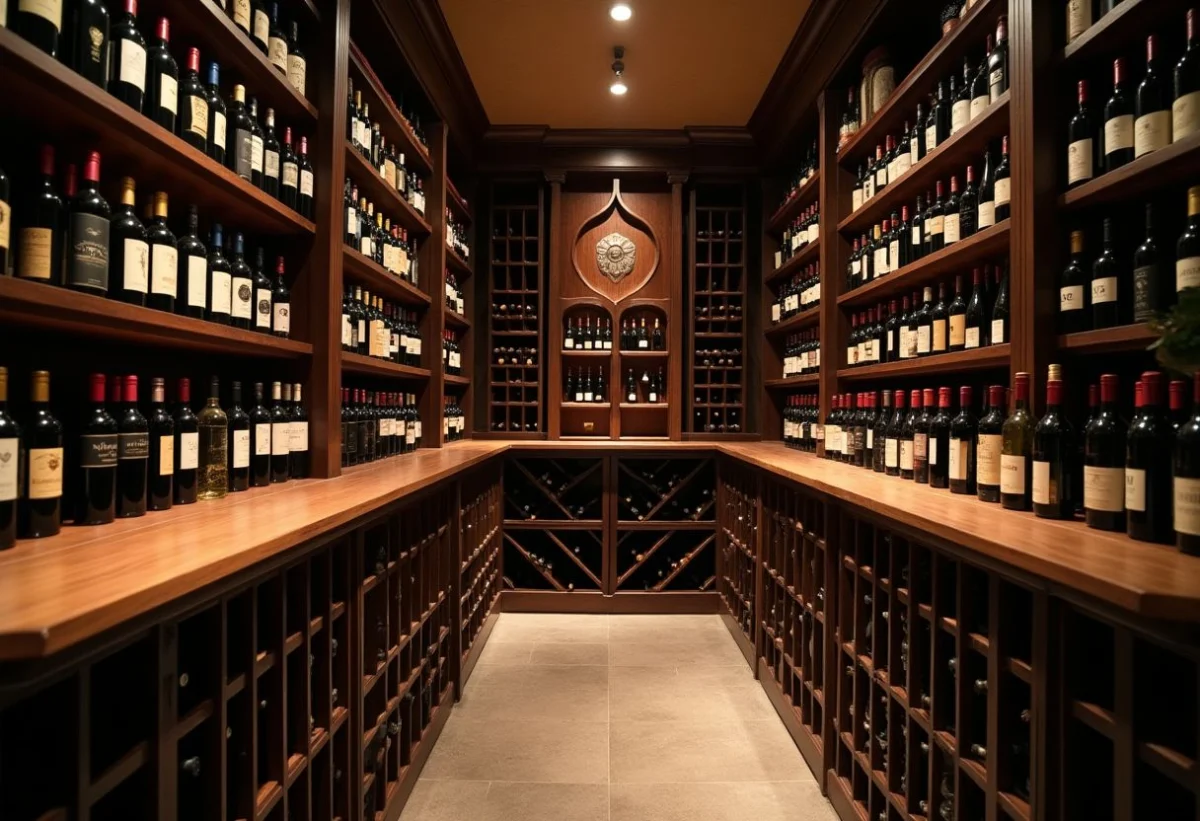
Start by sorting your bottles by region, grape variety, or vintage. This makes identification easier and ensures easy access. Consider clearly labeling the shelves and using digital apps to track the evolution of your collection. Good organization not only enhances your tasting experience but also prevents the accidental deterioration of your precious bottles.
Common mistakes to avoid
It is easy to make mistakes that can cost dearly to the quality of your wine.
Never store bottles upright for long periods. They should be laid down so that the wine remains in contact with the cork, preventing it from drying out. Also, avoid vibrations, which can disrupt the aging of the wine. Finally, beware of strong odors near the cellar, as they can seep into the cork and alter the wine’s aromas.
The wine cellar is much more than just a storage space. It represents a true passion expressed through attention to detail and care for the bottles.