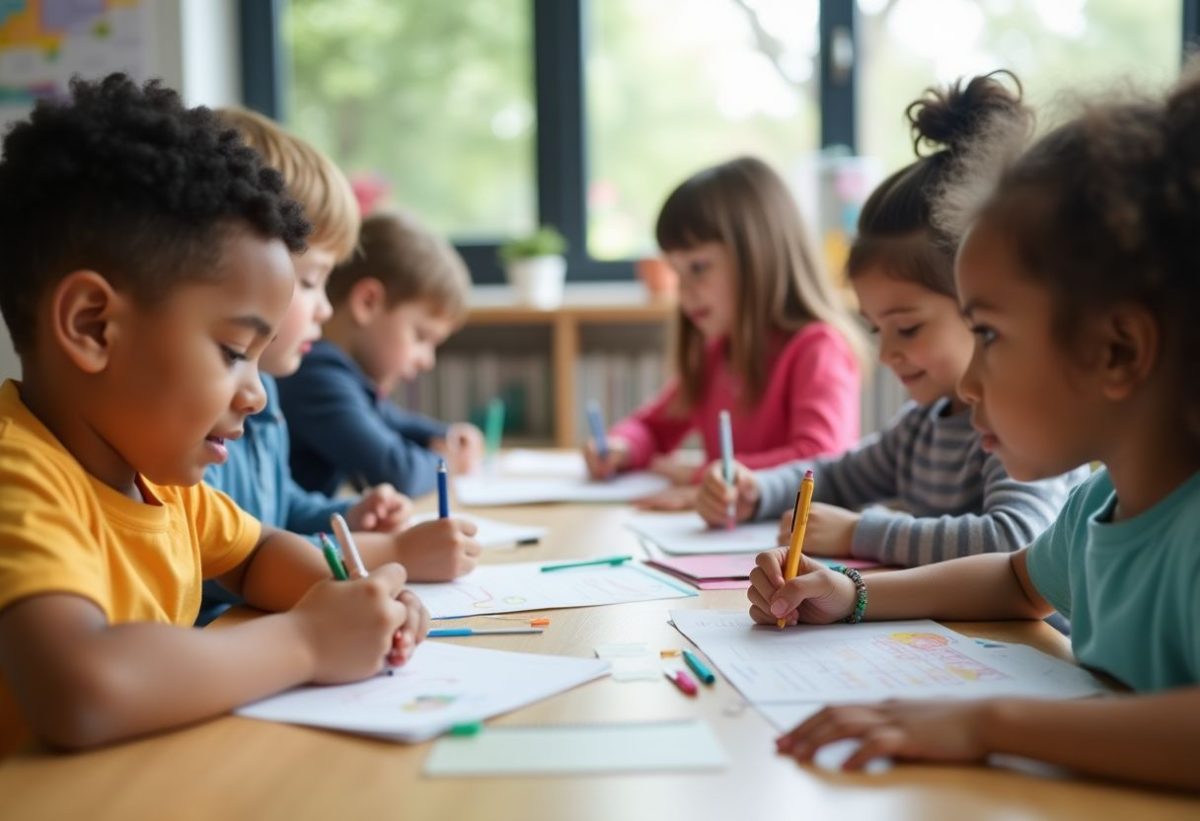
Children with learning difficulties, whether it be dyslexia or other disorders, often face obstacles in an educational system that does not always take their specific needs into account. Parents and educators often wonder if the available educational resources truly meet these particular needs. In a world where inclusive education has become imperative, adapting educational tools to help these children reach their full potential is crucial. Reflecting on the effectiveness of these resources for dyslexic children or those with academic difficulties thus becomes an integral priority in the educational process.
Characteristics of Resources for Dyslexic Children
To effectively support dyslexic children, educational resources must offer specific characteristics that facilitate their learning and understanding of language.
- Suitable Fonts: Resources should often use specific fonts like OpenDyslexic, designed to improve readability and reduce the disruptive effects of dyslexia.
- Use of Colors and Contrasts: The application of distinct colors and high contrasts allows for visual segmentation of information, helping children to better focus on the text.
- Audiovisual Tools: Materials that integrate auditory and visual elements facilitate understanding by reinforcing memory and information retention.
- Immediate Feedback: Interactive exercises with immediate feedback allow students to understand their mistakes in real-time and adjust their learning methods.
Strategies and Adaptations for Children with Academic Difficulties
Children who encounter obstacles in their academic journey greatly benefit from adapted educational strategies that take into account their specific needs and unique learning pace.
Pedagogical adaptations often include task differentiation, where educators adjust the level of difficulty or teaching method to meet individual needs. A multimodal approach, combining visual, auditory, and kinesthetic supports, also helps capture students’ attention and address different learning styles.
Furthermore, personalized programs and individual tutoring sessions give children the opportunity to work at their own pace, with specific and targeted support for their difficulties. These programs are often accompanied by continuous assessment of progress to adjust teaching methods based on the student’s development.
The Importance of Digital Tools in Learning
Technological advancements offer unprecedented opportunities to adapt and enrich educational resources for children in difficulty. Digital tools represent a revolution in supporting dyslexic students and those facing other types of academic challenges.
Educational software and interactive applications provide a personalized learning experience that allows each student to progress at their own pace. For example, programs that integrate voice recognition can help children improve their pronunciation and oral comprehension, while text-to-speech tools allow texts to be read aloud, thereby easing the cognitive load associated with reading for dyslexic children.
Online educational platforms also provide a multitude of resources and activities, such as a cm1 exercise, personally adapted to the specific needs of students. These platforms allow for real-time tracking of progress, identifying gaps, and offering tailored educational solutions, such as those available in this cm1 exercise.
The Role of Teachers and Parents in Support
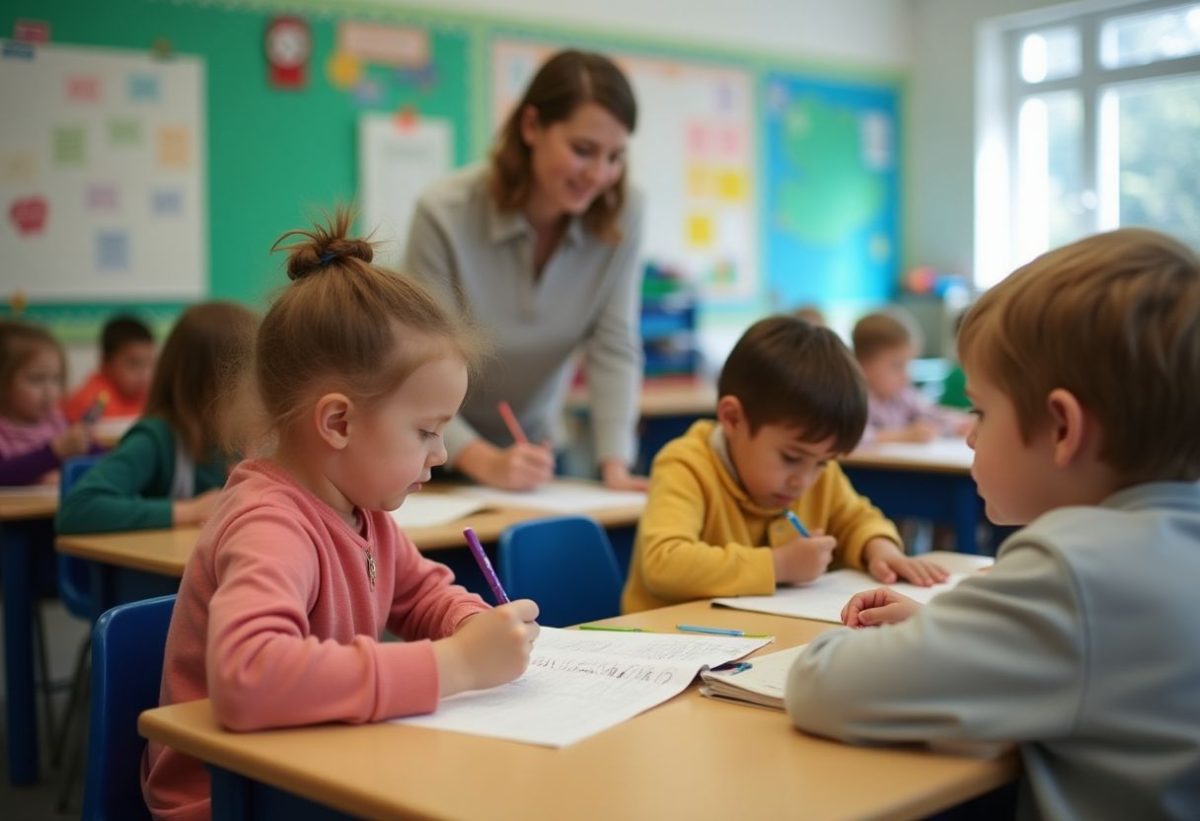
The support of teachers and parents plays a determining role in the effectiveness of educational resources for dyslexic or academically challenged children. Close collaboration between school and family is often the foundation of a successful educational journey.
Teachers are called to continuously inform themselves and train on adapted teaching methods, while parents should be involved in monitoring their children’s progress. This way, they can work together to implement effective strategies, thereby strengthening the student’s confidence and autonomy.
By creating a caring and inclusive educational environment where every child feels heard and supported, teachers and parents can significantly contribute to academic success. This collaborative approach ensures that the educational resources deployed are used optimally and adjusted to the needs of each child, thereby maximizing their learning potential.
The main challenge remains to ensure that all pedagogical resources are truly adapted to the specific needs of dyslexic children or those facing academic difficulties. This requires a combination of technological innovation, continuous training of educators, and parental engagement to create an inclusive and stimulating learning environment. Only this holistic approach can ensure that every child has the opportunity to develop their skills and gain confidence in their abilities, regardless of the obstacles they encounter on their academic path.