
Transforming an interior with affordable decorating ideas means working out where every dollar will have the greatest visual impact. From second-hand furniture and targeted updates to durable material choices, the cost of achieving a similar result varies by spending category. This article compares budget-friendly decorating options based on their visual impact relative to their actual cost.
Decorating costs by category: where your budget makes the biggest impact
Not all interior decorating categories are equally effective when it comes to making a noticeable difference. The table below ranks the main options by investment level and their impact on a room’s atmosphere.
| Decorating option | Investment | Visual impact | How long the results last |
|---|---|---|---|
| Painting an accent wall | Low (paint and roller) | High | Several years |
| Textiles (cushions, curtains, throws) | Low to moderate | High | Varies depending on quality |
| Second-hand vintage furniture | Low to moderate | High (one-of-a-kind piece) | Long-lasting if made from solid wood |
| Repositioning or replacing light fixtures | Moderate | High | Long-lasting |
| New decorative accessories (candles, vases, frames) | Low | Moderate | Short-lived (trend-dependent) |
| Wallpaper on one wall | Moderate | Very high | Medium |
| Buying new entry-level furniture | High | Moderate to high | Short-lived (limited quality) |
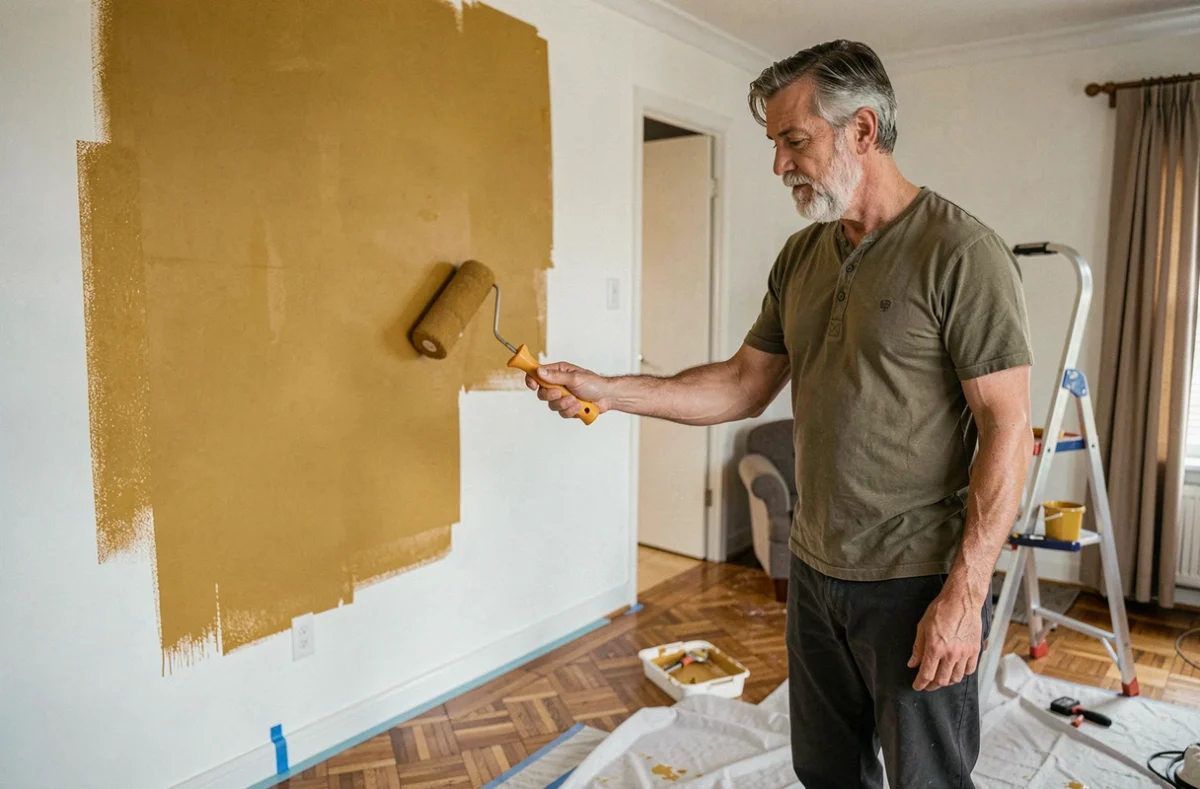
Paint and textiles consistently offer the best value for money. Repainting just one wall in a contrasting color can change the look of an entire living room or bedroom for the price of a can of paint.
New decorative accessories, on the other hand, have a more subtle effect. When collected without a cohesive plan, they clutter a space without transforming it. The project guides in Brico Déco Jardin’s decorating section illustrate why it’s better to make targeted choices than to accumulate items indiscriminately.
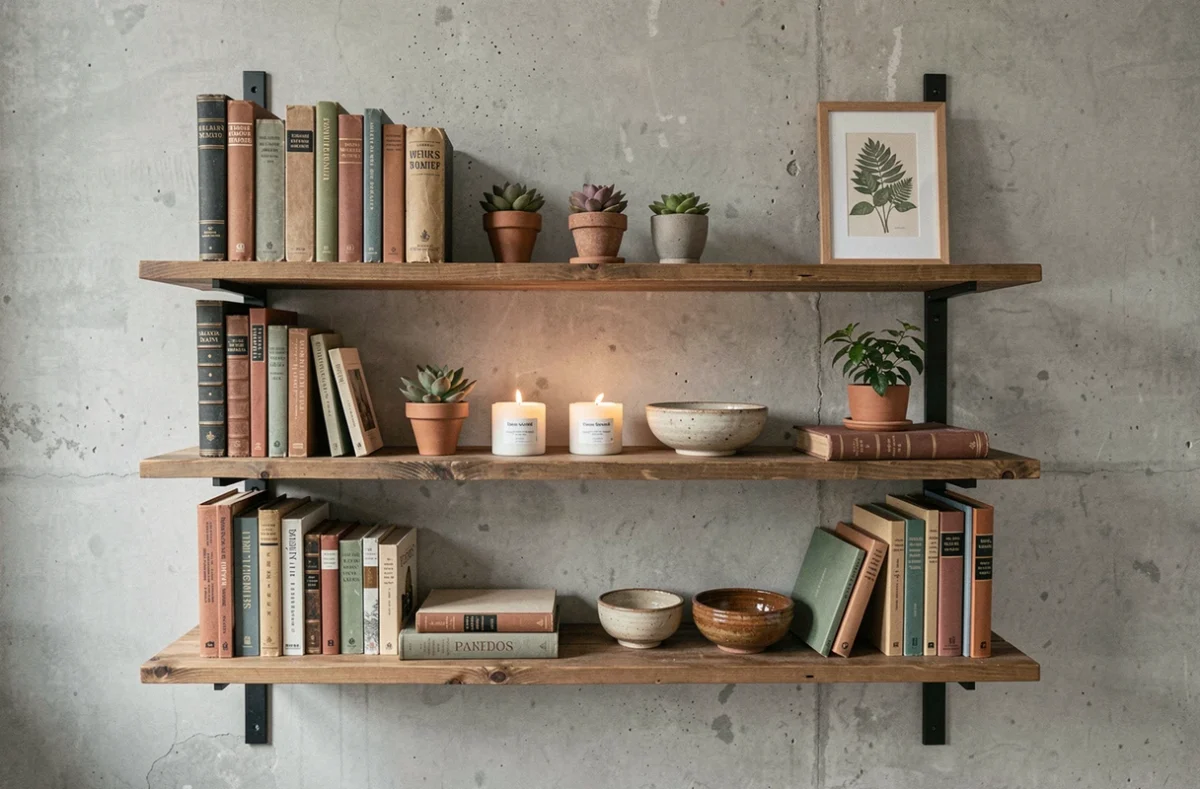
Second-hand furniture and reuse: an underrated decorating option
Most competing articles mention flea markets as a quick decorating tip. The topic deserves a more structured look. Second-hand furniture is now available through a range of channels: in-person flea markets, online marketplaces for private sellers, and reuse centers run by social and solidarity economy organizations.
Reuse centers offer an often-overlooked advantage: they sort, clean and inspect furniture before resale. For a sideboard or dresser intended to become the focal point of a living room, this preliminary check reduces the risk of unpleasant surprises, such as stuck drawers, unstable legs or peeling veneer.
What to check before buying second-hand furniture
- Exact dimensions: measure the space and compare it with the furniture before buying, as older pieces may not match today’s standard sizes
- Structural condition: check that it is stable, open the drawers, inspect the hinges and make sure there are no wood-boring pests
- Transportation options: some reuse centers offer delivery and others do not, which can wipe out your savings if the piece is bulky
- Potential for customization: solid wood furniture is easy to sand and repaint, unlike melamine, which does not take well to refinishing
A well-inspected second-hand solid wood piece will last longer than new entry-level furniture. The price difference, often half or more, also comes with added character: every vintage find brings a uniqueness that mass-produced furniture cannot replicate.
Furniture repair bonus: what the scheme actually covers
Repairing damaged furniture instead of replacing it is a natural fit for budget-friendly decorating. The furniture repair bonus, administered by Ecomaison, subsidizes certain repairs carried out by certified repair professionals.
One important distinction: not every update qualifies. Purely cosmetic work, such as applying a decorative patina or simply changing the handles, does not necessarily qualify for the scheme. Covered work includes functional repairs, such as replacing a broken leg, reupholstering a seat or fixing a drawer mechanism.
Functional repairs versus cosmetic makeovers
This distinction can make a significant difference to your budget. A repair that qualifies for the bonus can substantially reduce the bill, while cosmetic work remains entirely at the owner’s expense. Before handing a piece of furniture over to a professional, check the list of eligible repairs and confirm that the repairer is certified to avoid any surprises.
For cosmetic updates that are not covered, such as sanding, painting or varnishing, DIY is still the most affordable option. A piece of unfinished wood furniture can be transformed in a day with sandpaper, primer and the right paint.
Repairability and ecodesign: a key consideration for sustainable decorating
The European ESPR regulation sets out phased ecodesign requirements for certain product categories. For interior decorating and furniture, the practical takeaway is clear: check when buying whether a piece’s components can be removed and replaced.
A sofa with cushions that can be removed and replaced individually may cost more upfront. Over time, however, it can work out cheaper than a one-piece model that has to be thrown away entirely when the fabric wears out.
- Screw-on rather than glued legs: they can be replaced in minutes if one breaks or you want to update the style
- Removable seat covers: washable and replaceable, they can extend a piece of furniture’s life by several years
- Modular shelving: it can be adapted to a different room or purpose without having to buy a whole new unit
Choosing repairable furniture from the outset reduces decorating costs over five to ten years. This factor, rarely highlighted in budget decorating guides, matters just as much as the initial purchase price when calculating the true cost.
The combination that transforms a space the most for the least money is painting a wall and coordinating the textiles. Everything else, including furniture, is best bought second-hand or chosen for its repairability rather than its low upfront price. The smartest decorating budget is one that factors future replacement costs into every purchase.