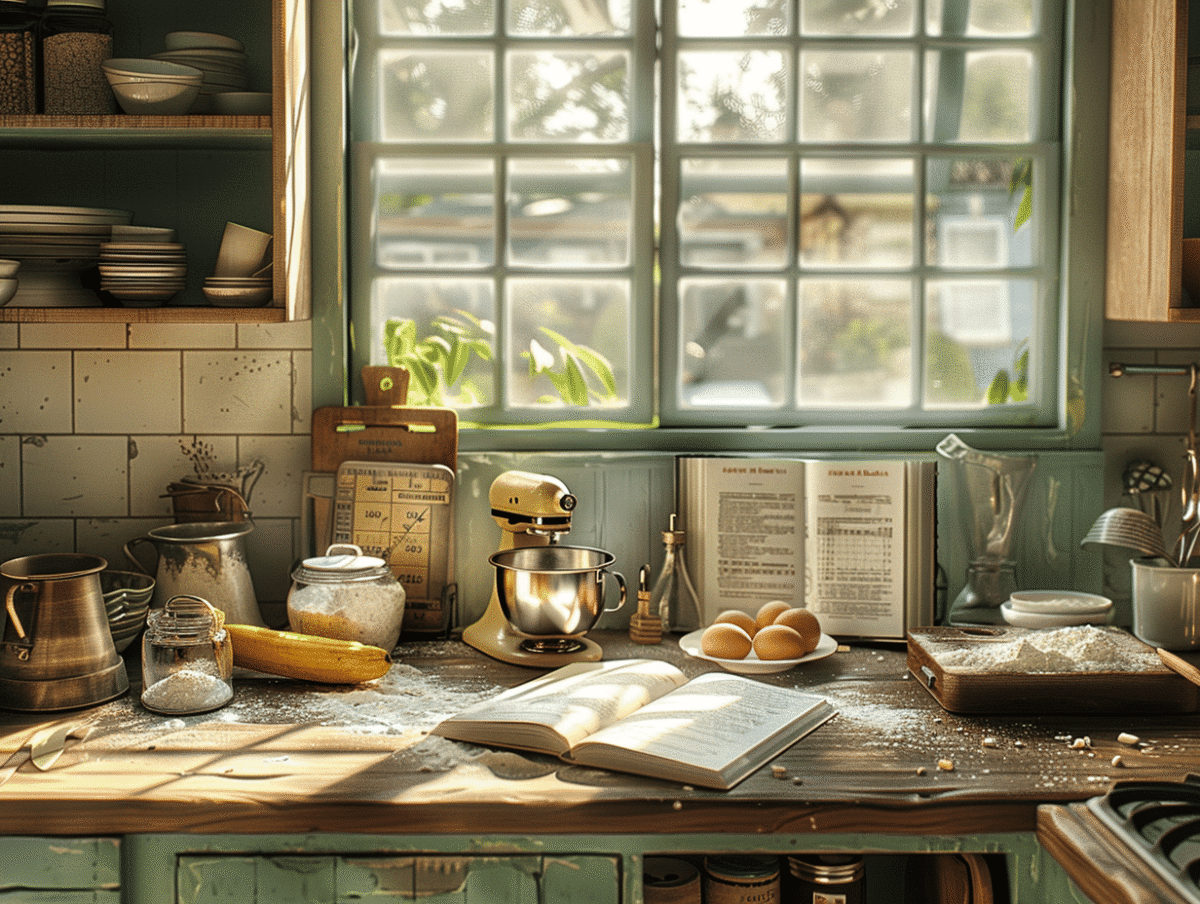
Precision is essential in cooking, a field where the success of a recipe can depend on the delicate balance between ingredients. Experienced chefs and bakers know this well: correctly converting volumes to weights and vice versa is an art in itself. Each ingredient has its own density, making the transition from cups to grams or from milliliters to ounces sometimes complex. Inaccurate conversions can lead to disastrous results, turning a fluffy cake into a hard flatbread. That’s why understanding the secret of measurements and conversions is an indispensable skill for any food enthusiast.
The keys to converting measurements in cooking: understanding volume and weight
Mastering measurement conversions in cooking relies on a clear understanding of the distinction between volume and weight. These two concepts, while often used interchangeably in everyday language, define different realities in terms of measurement. Volume, expressed in liters (l), deciliters (dl), centiliters (cl), and milliliters (ml), refers to the space occupied by a liquid or ingredient. Weight, on the other hand, is measured in grams (g) or kilograms (kg), and indicates the mass of that ingredient. Converting ml to g requires specific knowledge of the density of the ingredient in question.
Basic equivalences, such as 1 cl equals 10 ml or 1 l corresponds to 1000 ml, are simple and universal. The conversion between volume and weight requires special attention because each substance has its own density. For example, 1 cl of water does not weigh the same as 1 cl of flour. Furthermore, knowing the equivalences between units of measurement used in various international systems, such as 1 Pound equals 453.5 g or 1 US Gallon represents 3.8 l, is fundamental for adapting recipes from different culinary cultures.
Therefore, using appropriate utensils such as kitchen scales and measuring cups is recommended to ensure the reliability of conversions. These instruments provide an accurate measurement of ingredients, whether liquids or solids. For common ingredients, conversion tables offer practical references: a teaspoon corresponds to 5 ml, while a tablespoon equals 15 ml. Take the time to measure accurately, as a simple spoon can influence the harmony of a recipe.
Techniques and tips for precise conversions and successful recipes
In the quest for precision in cooking, the conversion chart stands out as a valuable ally. This reference allows for easy navigation between various units of measurement. Whether converting milliliters to centiliters, cups to grams, or Celsius degrees to Fahrenheit, the conversion chart provides a quick and reliable answer. Savvy cooks often display it near their workstation, ensuring immediate access to the necessary equivalences.
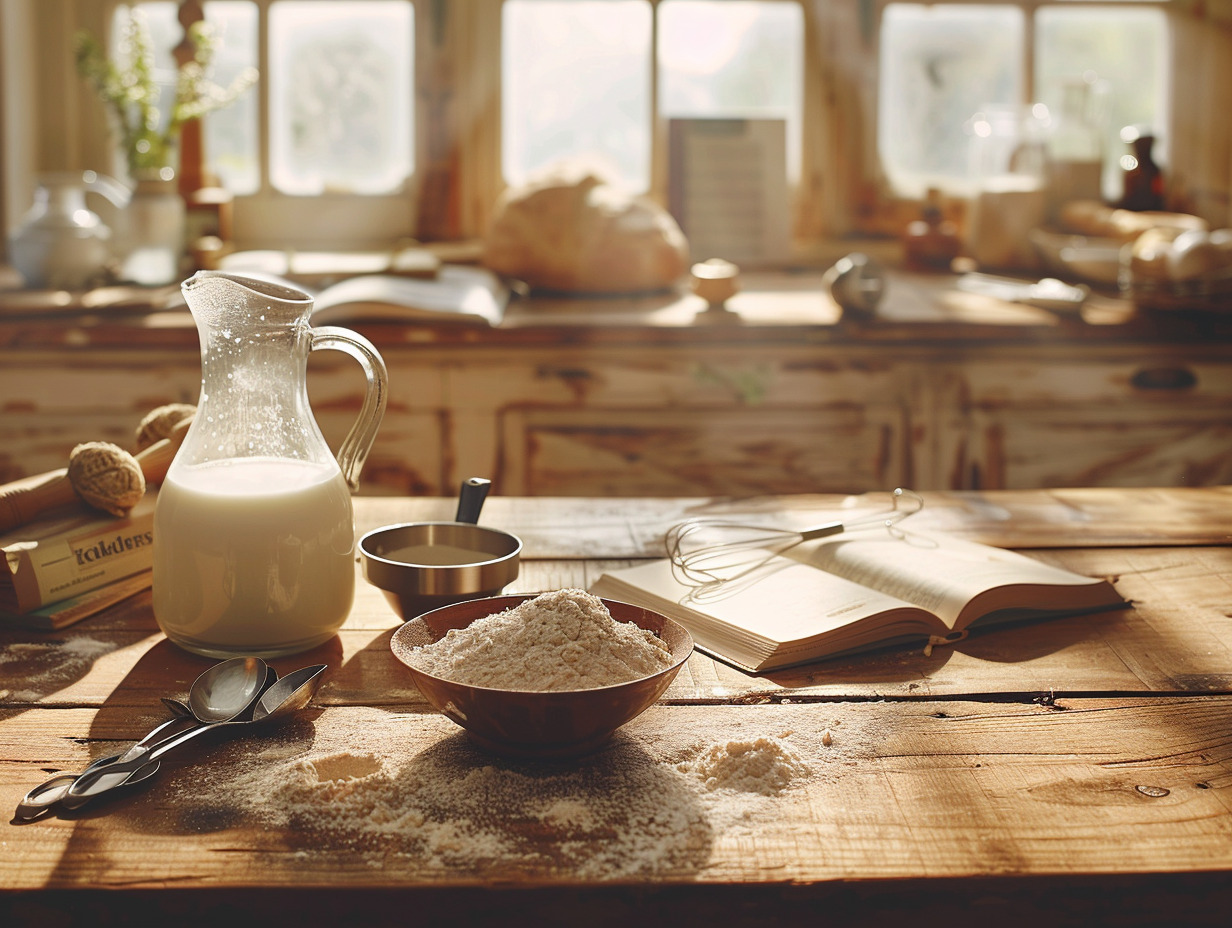
Using dedicated utensils such as the kitchen scale and the measuring cup is essential for accurate measurement of a recipe’s components. The kitchen scale, valuable for weighing to the nearest gram, becomes indispensable for ingredients whose consistency requires great precision, such as flour or sugar. The measuring cup, on the other hand, clearly indicates quantities for liquids as well as for more volatile ingredients like flour, sugar, and rice.
Knowing the specific weights of ingredients is also fundamental. A medium egg weighs about 50 g, a standard carrot reaches 100 g, and a medium zucchini falls between 200 and 250 g. This information, when integrated into cooking habits, facilitates conversions and adjustments, thus maintaining the balance of flavors and textures.
For volume measurements, a series of common equivalences should be memorized: a teaspoon represents 5 ml, a tablespoon amounts to 15 ml, a tea cup contains 200 ml, a medium glass 100 ml, a medium bowl 250 ml, and a large bowl holds about 500 ml. Once these references are assimilated, they contribute to the success of recipes executed daily.