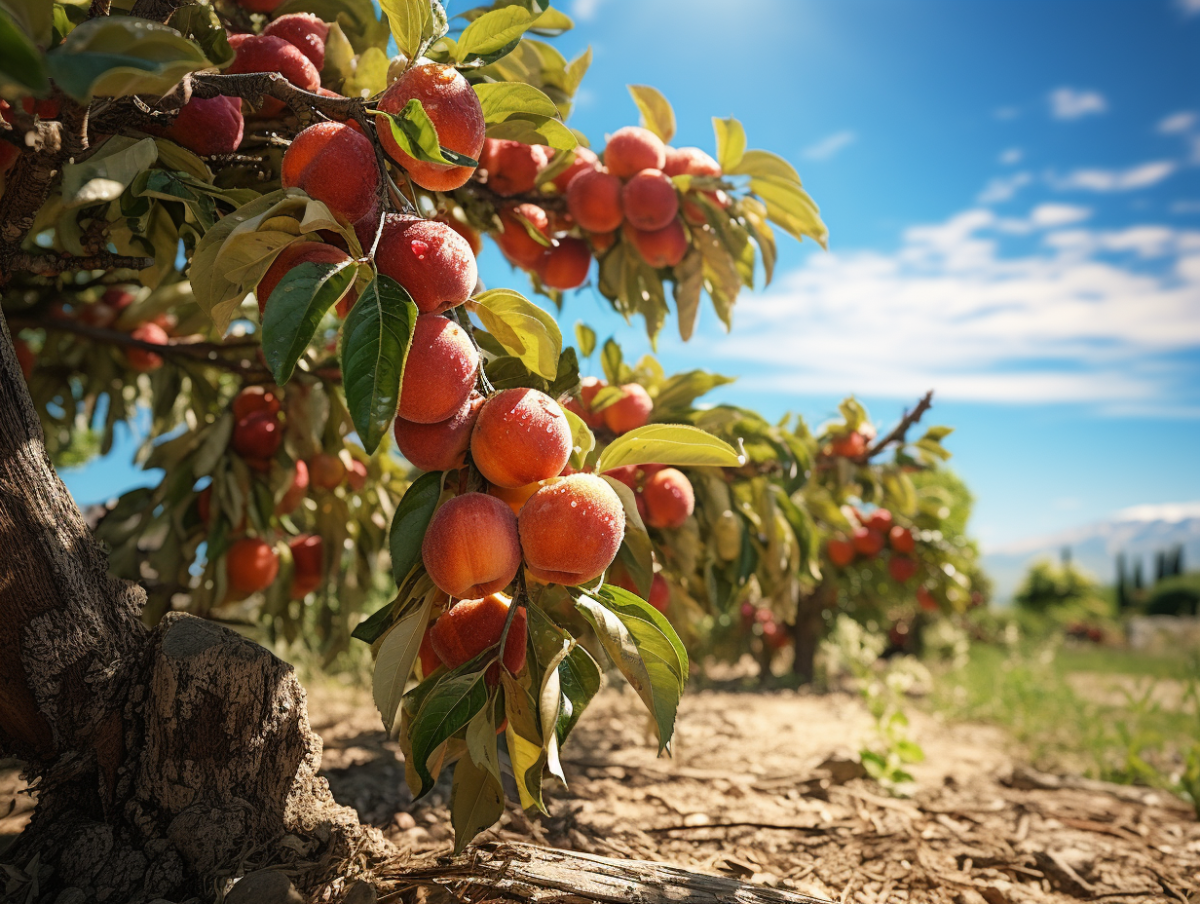
Growing fruit trees is often a rewarding endeavor, but some specimens can prove challenging to keep healthy. These difficulties can stem from various factors, such as susceptibility to diseases, high soil and climate requirements, or the need for specific pruning and pollination. For example, peach trees require moderate temperatures and are vulnerable to peach leaf curl, while citrus trees can suffer from diseases like gummosis, necessitating constant care to prevent afflictions and encourage abundant fruiting.
Factors Influencing the Maintenance Difficulty of Fruit Trees
Pollination emerges as a crucial biological process for the fruiting of fruit trees. This fundamental step largely depends on pollinators, such as bees and other foraging insects. Without their valuable intervention, fruit production can be significantly reduced or even compromised. Species like apple and pear trees require cross-pollination to produce abundantly, which involves the proximity of other compatible varieties. Consequently, monoculture orchards or isolated gardens often face challenges in flower fertilization.
The biennial bearing phenomenon, characterized by variable fruit production from one year to the next, presents another challenge. This natural cycle, where a year of high production alternates with a year of lower yield, is particularly pronounced in certain trees like the apple tree. To counter this alternation, techniques such as fruit thinning or proper fertilization management are recommended, but they require skilled labor and sustained attention.
Diseases and pests also pose a major risk to the health and production of fruit trees. Preventive and curative treatments must be meticulously chosen and applied, adhering to phytosanitary standards to limit environmental impacts. Biological control, for example, offers alternatives to manage certain pests without excessive reliance on chemicals. Accurate identification of pathogens and pests remains an indispensable technical expertise.
Environmental conditions play a predominant role. Climate, soil quality, and water availability greatly influence the growth and productivity of fruit trees. Some, like the fig tree, have drawbacks related to their sensitivity to harsh winter conditions. The drawback of the fig tree, for instance, is that it may not thrive well in regions where temperatures regularly drop below the species’ tolerance threshold. A rigorous selection of varieties suited to the local terroir and cultivation practices adjusted to the environment are imperative to ensure the longevity of orchards.
Strategies and Practices for Successful Maintenance of Fruit Trees
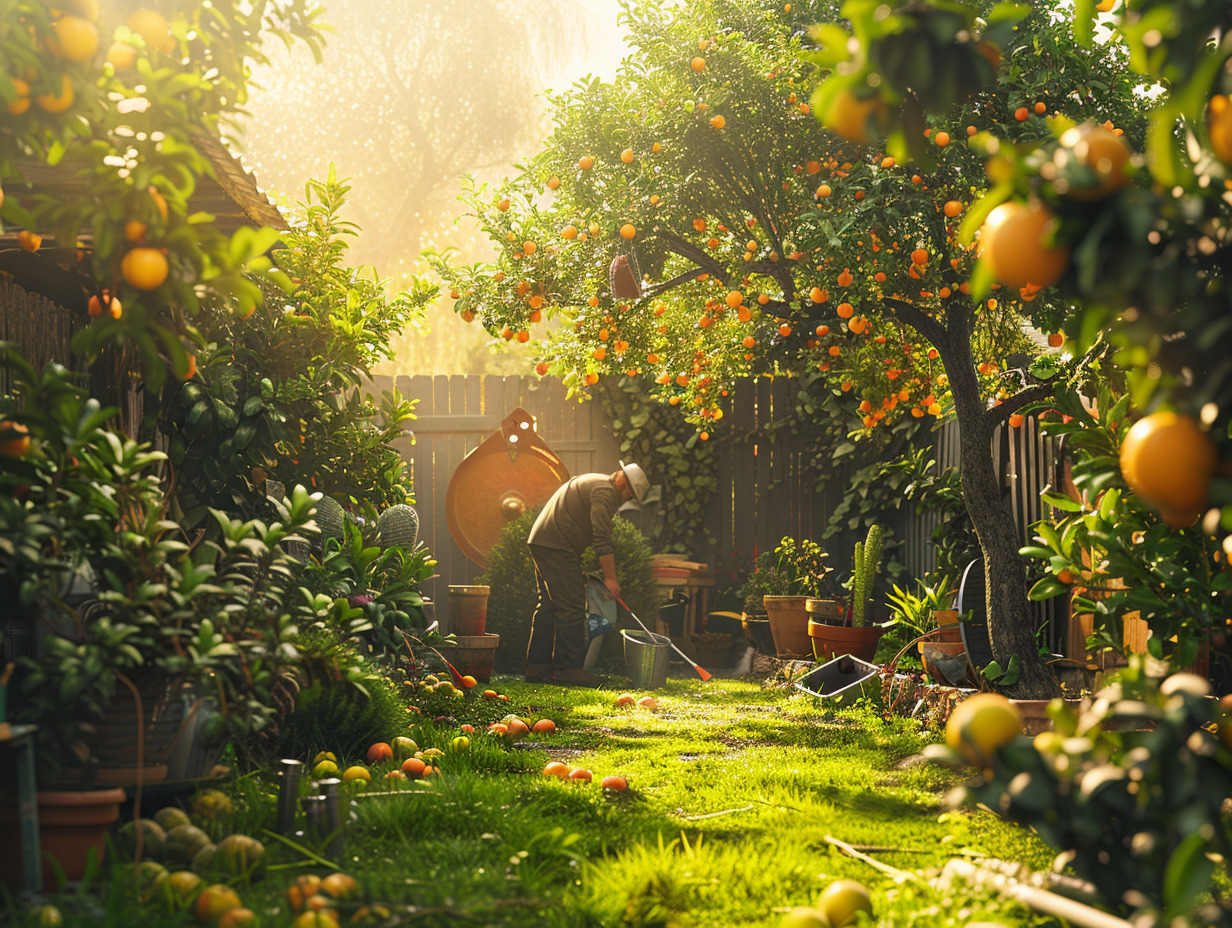
Pruning fruit trees proves to be a cardinal agricultural practice for the health and production of fruits. This regular intervention allows for controlling the shape and development of the tree, ensuring good air circulation in the branches, and promoting sunlight exposure for fruiting buds. Savvy farmers and gardeners strategically prune branches to stimulate fruit growth and prevent the onset of diseases.
Thinning fruit trees, often overlooked, deserves special attention. This technique, which involves manually removing some of the developing fruits, ensures better resource distribution of the tree among the remaining fruits. It thus helps improve the size and quality of the fruits while mitigating the biennial bearing phenomenon.
Fertilization and pollination should not be underestimated. A balanced supply of fertilizers, tailored to the specific needs of each species, is fundamental for optimal fruit development. Horticultural circles, such as the Gembloux Technical Horticultural Center, provide precise recommendations on the types of fertilizers and fertilization methods best suited for different varieties of fruit trees.
To promote pollination, insect hotels prove to be ingenious structures. These artificial refuges, placed near orchards, attract and house pollinating insects. Grazed orchards, where fruit cultivation coexists with livestock, also create a dynamic ecosystem conducive to biodiversity, enhancing the natural presence of pollinators and flower fertilization. Furthermore, innovative and environmentally friendly cultivation techniques are levers to be activated to ensure the sustainability and profitability of fruit crops. Constant vigilance on agricultural practices and continuous adaptation to current ecological challenges are imperative to maintain healthy and productive orchards.